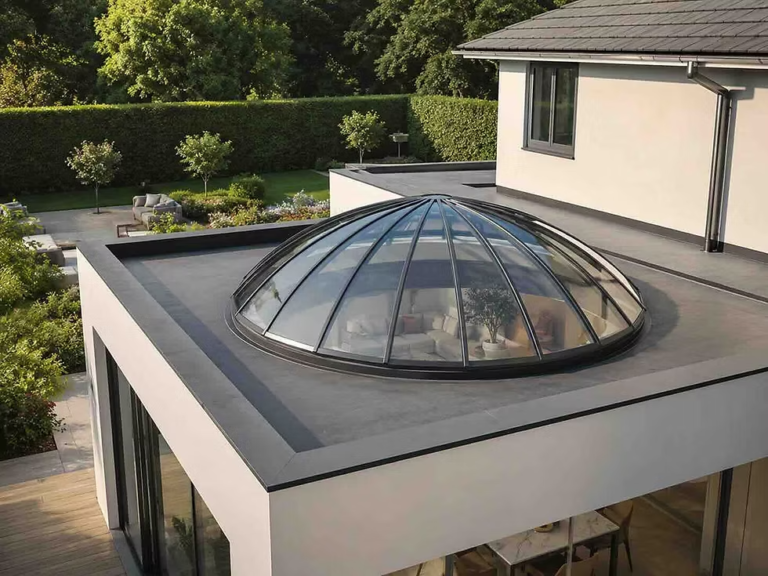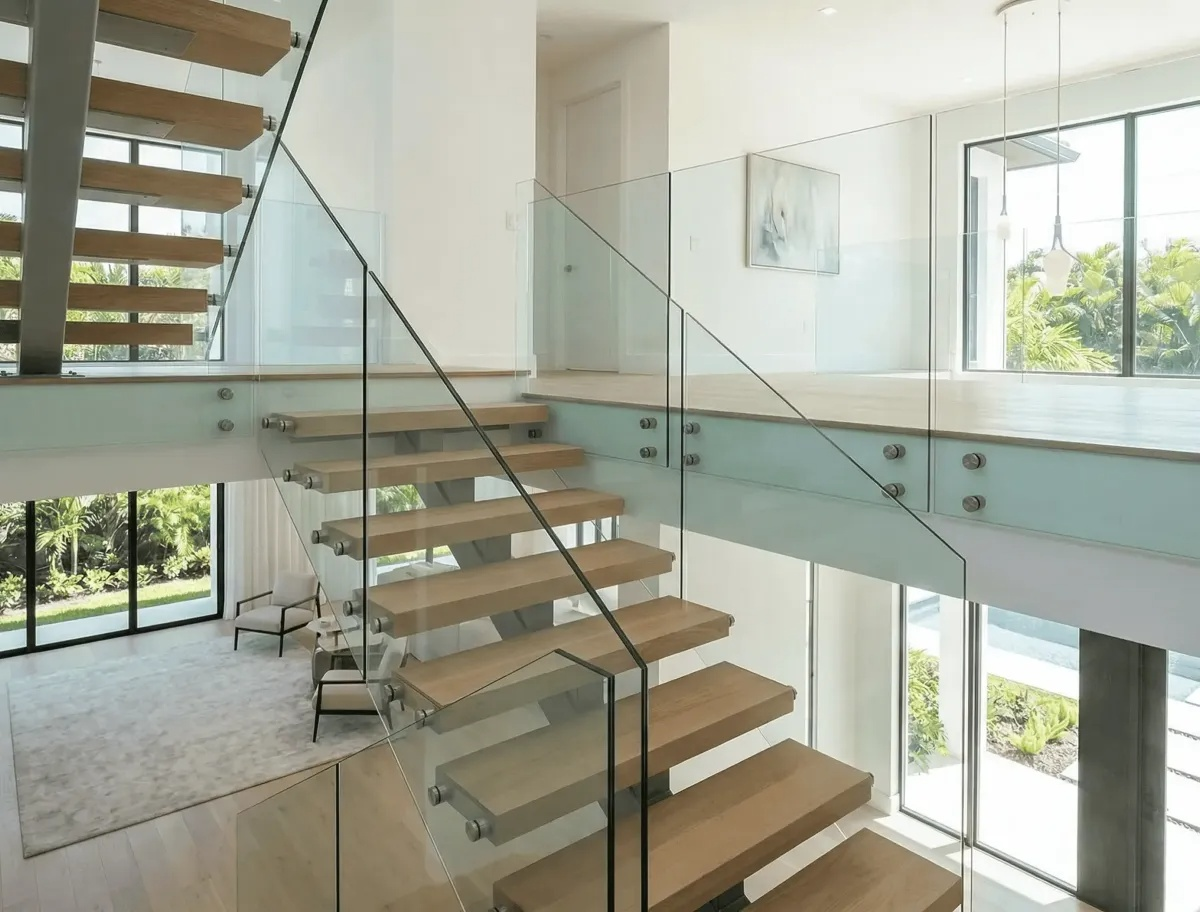

Outdoor spaces often have features worth showing off: a garden, a swimming pool, a distant skyline, or the natural landscape surrounding a property. Traditional railings can interrupt these views with thick posts, heavy panels, and repetitive lines. Glass offers a different approach. It provides the necessary boundary while allowing the surroundings to remain visible, giving balconies, terraces, decks, and staircases a more open appearance.
Glass railings have become a considered choice in residential and commercial architecture because they combine visual simplicity with practical function. Their effect goes beyond appearance. They influence how people experience an outdoor area, how natural light moves through a space, and how different architectural elements work together.
Keeping the View in Focus
A railing is often positioned directly between a person and the view beyond a balcony or terrace. Solid materials can make this boundary feel prominent, particularly in smaller outdoor areas. Glass reduces that visual interruption.
Clear panels allow the eye to travel beyond the edge of a building without encountering a solid barrier. This can make a compact balcony feel less enclosed and help a large terrace retain a connection with its surroundings. Properties overlooking gardens, coastlines, city streets, or open countryside can benefit from this quality.
The effect is especially noticeable at elevated locations. A balcony with a clear glass barrier can feel more connected to the landscape below, while a rooftop seating area can retain an uninterrupted view of the skyline. The railing remains present as a safety feature, but it does not dominate the scene.
A Lighter Appearance for Building Exteriors
Exterior materials contribute to the character of a property. Brick, stone, timber, concrete, and metal each create a distinct visual impression. Glass introduces a lighter element that can balance heavier architectural features.
A building with dark cladding or substantial masonry, for example, may benefit from transparent balcony panels that prevent the façade from looking too dense. On a contemporary home with clean lines, glass can reinforce the existing architectural style without adding unnecessary decoration.
An exterior glass railing can also work well with a range of frame finishes. Minimal metal fittings create a restrained appearance, while contrasting handrails can add definition. Frameless systems offer a particularly clear view, although the final design must account for structural requirements and the building’s intended use.
The result depends on the relationship between the railing, the façade, and the surrounding materials. Glass does not need to become the main visual feature. Its value often lies in allowing other parts of the architecture to stand out.
Making Smaller Outdoor Areas Feel More Open
Limited outdoor space presents a design challenge. A narrow balcony or compact terrace needs to accommodate movement, seating, and sometimes planters or storage. Heavy railings can make these areas feel even tighter.
Transparent panels reduce the sense of visual confinement. They allow daylight to reach more of the space and maintain a view of the surroundings, helping the balcony feel like an extension of the interior rather than a separate enclosure.
This can be particularly useful in apartments where balconies provide valuable outdoor room but have limited floor area. A clear boundary can make a small seating arrangement feel less boxed in. It also allows interior rooms facing the balcony to retain a broader outlook.
Glass does not increase the actual dimensions of an outdoor area, but it can change how those dimensions are perceived. Careful furniture selection, uncluttered flooring, and consistent colours can support the same effect.
Bringing More Natural Light into the Design
Solid balcony barriers and parapets can cast shadows, particularly when positioned close to windows or glazed doors. Glass panels allow more daylight to pass through, helping exterior and interior spaces maintain a brighter appearance.
This is useful for rooms that open onto narrow balconies or recessed terraces. A transparent railing can reduce the visual weight outside the window and allow more natural light to reach the room.
The effect also depends on the glass specification, orientation, surrounding structures, and local climate. Tinted or textured glass may provide privacy or reduce glare, but it will change the amount of light passing through. Clear glass generally offers the least visual obstruction.
For designers, the choice involves balancing daylight, privacy, comfort, and the direction of the sun. A west-facing balcony, for instance, may need additional shade because transparent panels do not prevent direct sunlight from entering the space.
Choosing a Style That Suits the Property
Glass railing systems are available in several configurations, each creating a different architectural effect.
Frameless systems use structural fittings or channels to support the panels, keeping visible metalwork to a minimum. They are often selected for properties where uninterrupted views are a priority. Semi-frameless designs introduce posts or discreet supports while retaining much of the open appearance.
Framed systems use metal or other structural materials around the glass panels. They can provide a more defined appearance and may suit buildings with traditional railings or strong exterior detailing.
Handrails also influence the overall look. A slim metal handrail can create a clear finishing line, while a top-mounted rail may add a stronger horizontal feature. The choice should reflect the building’s existing materials rather than treating the railing as an isolated addition.
Privacy requirements may call for frosted, patterned, or tinted glass. These options are useful for balconies close to neighbouring properties, though they reduce transparency. The design should account for the view from both inside the property and the surrounding outdoor areas.
Safety and Durability Behind the Glass
Appearance should never take priority over structural performance. Balcony and terrace railings are safety barriers, so the glass, fixings, posts, and supporting structure must meet the relevant building regulations.
Toughened and laminated safety glass are commonly used in architectural railing systems. Toughened glass is processed to improve its strength and breaks into smaller pieces if it fails. Laminated glass consists of bonded layers with an interlayer that helps hold fragments together after breakage. Some systems use laminated toughened glass, combining properties of both materials.
The correct specification depends on panel size, installation method, wind exposure, building height, and local requirements. Structural calculations and professional installation are essential, particularly for elevated balconies and exposed rooftop areas.
Durability also depends on the quality of the fittings. Stainless steel components are often chosen for outdoor applications, but the appropriate grade should reflect the environment. Coastal properties, where salt exposure can accelerate corrosion, may require more careful material selection and maintenance.
Maintenance Without Complicated Routines
Glass railings need regular cleaning to retain their clarity. Rain marks, dust, fingerprints, and pollution can become visible on exposed panels, especially in areas with hard water or heavy traffic.
A soft cloth, suitable glass cleaner, and routine washing are generally sufficient for everyday care. Abrasive pads and harsh chemicals should be avoided because they may damage the glass surface or surrounding fittings. Metal components should also be checked periodically for signs of corrosion, loose connections, or wear.
Properties near the coast or in dusty environments may need more frequent cleaning. Good access to both sides of the panels makes maintenance easier, so this should be considered during the design stage.
Giving Outdoor Architecture Room to Breathe
A well-designed railing should protect people without making an outdoor space feel closed off. Glass achieves this balance by creating a visible boundary while allowing the landscape, daylight, and architectural details to remain part of the experience.
Its suitability depends on more than appearance. The building’s style, exposure, privacy needs, maintenance requirements, and safety standards all influence the right system. With those factors addressed, glass railings can give balconies, terraces, decks, and rooftop spaces a cleaner visual finish while keeping attention on the surroundings rather than the barrier itself.