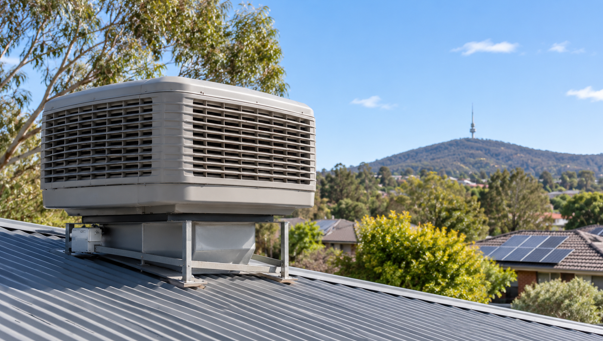

Evaporative cooling systems provide an energy-efficient way to keep homes and commercial spaces comfortable during hot weather. They use water evaporation to cool incoming air, making them particularly useful in dry climates. However, their performance depends on clean cooling pads, proper water circulation and adequate airflow. Scheduling an evaporative cooling service in Canberra helps property owners identify developing faults, maintain cooling efficiency and avoid unexpected breakdowns during periods of high temperatures.
How Evaporative Cooling Systems Work
An evaporative cooler draws warm outdoor air through water-saturated cooling pads. As the air passes through these pads, some of the water evaporates, reducing the air temperature before it enters the building.
A fan then distributes the cooled air through ducts or directly into the living space. Unlike refrigerated air conditioning, evaporative cooling does not rely on a compressor or refrigerant to produce cool air.
The system also needs a source of fresh outdoor air and an outlet for indoor air. Open windows or designated exhaust points allow warm air to leave the building, supporting continuous airflow.
Several components work together to maintain performance:
- Cooling pads: Absorb water and allow evaporation to take place.
- Water pump: Circulates water across the cooling pads.
- Fan and motor: Draw outdoor air into the unit and distribute it indoors.
- Water reservoir: Holds the water needed for the cooling process.
- Float valve: Regulates the water level inside the reservoir.
- Distribution system: Delivers cooled air throughout the property.
A problem with any of these components can reduce cooling performance or increase water and electricity consumption.
Why Regular Servicing Matters
Evaporative coolers operate with a continuous combination of air, water and mechanical movement. Over time, dust, mineral deposits and organic matter can accumulate inside the unit.
Without routine attention, these deposits may restrict airflow, affect water distribution and place additional strain on moving components.
Regular servicing helps address several common concerns:
Improved cooling performance: Clean pads and unrestricted airflow allow the system to cool incoming air more effectively.
Lower operating costs: A properly maintained fan motor and water pump can operate without unnecessary strain, helping prevent avoidable energy consumption.
Better indoor air quality: Cleaning the water reservoir and replacing contaminated pads can reduce the circulation of unpleasant odours and accumulated debris.
Fewer unexpected breakdowns: Identifying worn belts, loose electrical connections and damaged components early can prevent more serious failures.
Longer equipment life: Routine inspections help protect components from excessive wear and premature deterioration.
See also: Why Multi-Site Businesses Need a Centralized Facility Maintenance Strategy
Common Problems That Affect Evaporative Coolers
Understanding the warning signs of a malfunctioning system can help property owners arrange repairs before the problem becomes more expensive.
Weak or Warm Airflow
If the system runs but produces little cooling, the cooling pads may be blocked, the water pump may not be working correctly, or the fan may have developed a fault.
Insufficient ventilation inside the building can also affect cooling performance. Opening suitable windows or exhaust points helps maintain the airflow required by the system.
Unpleasant Smells
A musty or stale smell may indicate stagnant water, dirty cooling pads or organic material inside the reservoir. The water distribution system should be inspected and cleaned to identify the source.
Water Leaks
Leaks can develop because of damaged hoses, loose connections, faulty float valves or cracks in the water reservoir. Even a small leak can waste water and cause damage to surrounding surfaces if left unattended.
Unusual Noises
Grinding, rattling or squealing sounds may indicate worn bearings, loose fan components, motor problems or a damaged belt. Continuing to operate the system without investigating these noises could lead to further mechanical damage.
Excessive Water Consumption
A sudden increase in water usage may point to a leaking connection, an incorrectly adjusted float valve or a problem with the water distribution system.
What Happens During a Professional Service Visit?
A professional inspection should cover the main mechanical, electrical and water-related components rather than focusing only on surface cleaning.
A typical service appointment may include:
- Initial system inspection: The technician checks the overall condition of the unit and discusses any performance issues reported by the property owner.
- Cooling pad assessment: Pads are examined for mineral deposits, deterioration, blockages and uneven water distribution.
- Water system cleaning: The reservoir, pump, hoses and distribution channels are checked and cleaned where necessary.
- Fan and motor inspection: Moving components are examined for wear, unusual noise, loose fittings and operational problems.
- Electrical checks: Connections, switches and relevant controls are inspected for visible damage or faults.
- Drainage inspection: The drainage system is checked to confirm that excess water can leave the unit correctly.
- Operational testing: The cooler is run to assess airflow, water circulation and general operation.
The exact work required depends on the system’s age, condition, manufacturer recommendations and previous maintenance history.
Choosing the Right Evaporative Cooling System for Canberra Properties
Canberra experiences hot, dry periods during summer, although seasonal conditions can vary. Evaporative cooling can be suitable for properties that have sufficient outdoor airflow and ventilation.
Before installing or replacing a unit, consider the following factors.
Property size: The cooling capacity should match the area being serviced. An undersized unit may struggle to maintain comfortable temperatures, while an oversized system may use more water than necessary.
Air distribution: Duct placement and room layout influence how effectively cooled air reaches different areas of the property.
Water availability: Evaporative systems require a consistent water supply. Water quality can also affect mineral build-up and cleaning requirements.
Ventilation: The building needs suitable openings for air to escape. Poor ventilation can reduce cooling effectiveness and increase indoor humidity.
Installation location: The unit should be positioned where it can draw in fresh outdoor air without pulling in unwanted exhaust fumes, dust or other contaminants.
When Repairs Are Better Than Replacement
A malfunction does not always mean the entire cooling system needs replacing. Many common faults involve individual components that can be repaired or exchanged.
For example, a faulty water pump, damaged float valve, worn fan belt or blocked water line may be relatively straightforward to address.
However, repeated breakdowns, extensive corrosion, deteriorated cooling pads or major motor damage may make replacement a more practical option.
A technician providing evaporative cooler repairs in Canberra should assess the equipment’s condition and explain the likely repair costs before work begins. Comparing the repair estimate with the age, efficiency and expected remaining life of the unit can help property owners make a sensible decision.
Simple Maintenance Tasks Between Professional Visits
Property owners can support system performance through a few basic maintenance habits. These tasks should always follow the manufacturer’s instructions.
- Remove visible leaves, dust and debris from accessible external areas.
- Check for obvious water leaks around the unit.
- Keep suitable windows and exhaust openings clear during operation.
- Pay attention to changes in airflow, noise or odour.
- Arrange pad replacement when the material becomes damaged or heavily contaminated.
- Follow the manufacturer’s recommendations for draining and cleaning the water reservoir.
- Switch off the power and isolate the water supply before carrying out any permitted maintenance.
Electrical repairs, motor servicing and work involving internal mechanical components should be handled by a suitably qualified technician.
Preparing Your Cooling System Before Summer
The most practical time to arrange an inspection is before the first extended period of hot weather. Early servicing gives technicians time to identify worn parts, clean the system and address faults before demand for repairs increases.
Property owners should also keep a record of previous servicing, replacement parts and recurring problems. This information helps technicians understand the equipment’s maintenance history and identify issues that may have developed over several seasons.
For households and businesses comparing evaporative cooling in Canberra options, maintenance requirements should form part of the purchasing decision. A system with suitable cooling capacity, accessible components and readily available replacement parts can be easier to maintain over its working life.
Regular attention to water circulation, cooling pads, airflow and mechanical components helps evaporative coolers perform reliably. With timely inspections and appropriate repairs, property owners can maintain comfortable indoor conditions while managing water and energy use throughout Canberra’s warmer months.