
A reliable electrical distribution system keeps commercial buildings, industrial facilities and large residential properties operating safely. At the centre of this system is the low voltage main switchboard, which receives electricity from a transformer or incoming supply and distributes it to different circuits throughout a property. Its design affects electrical safety, equipment performance and the ability to manage power demands. Understanding its components, operating principles and maintenance requirements helps property owners, facility managers and electrical professionals make informed decisions about their electrical infrastructure.
What Is a Low Voltage Main Switchboard?
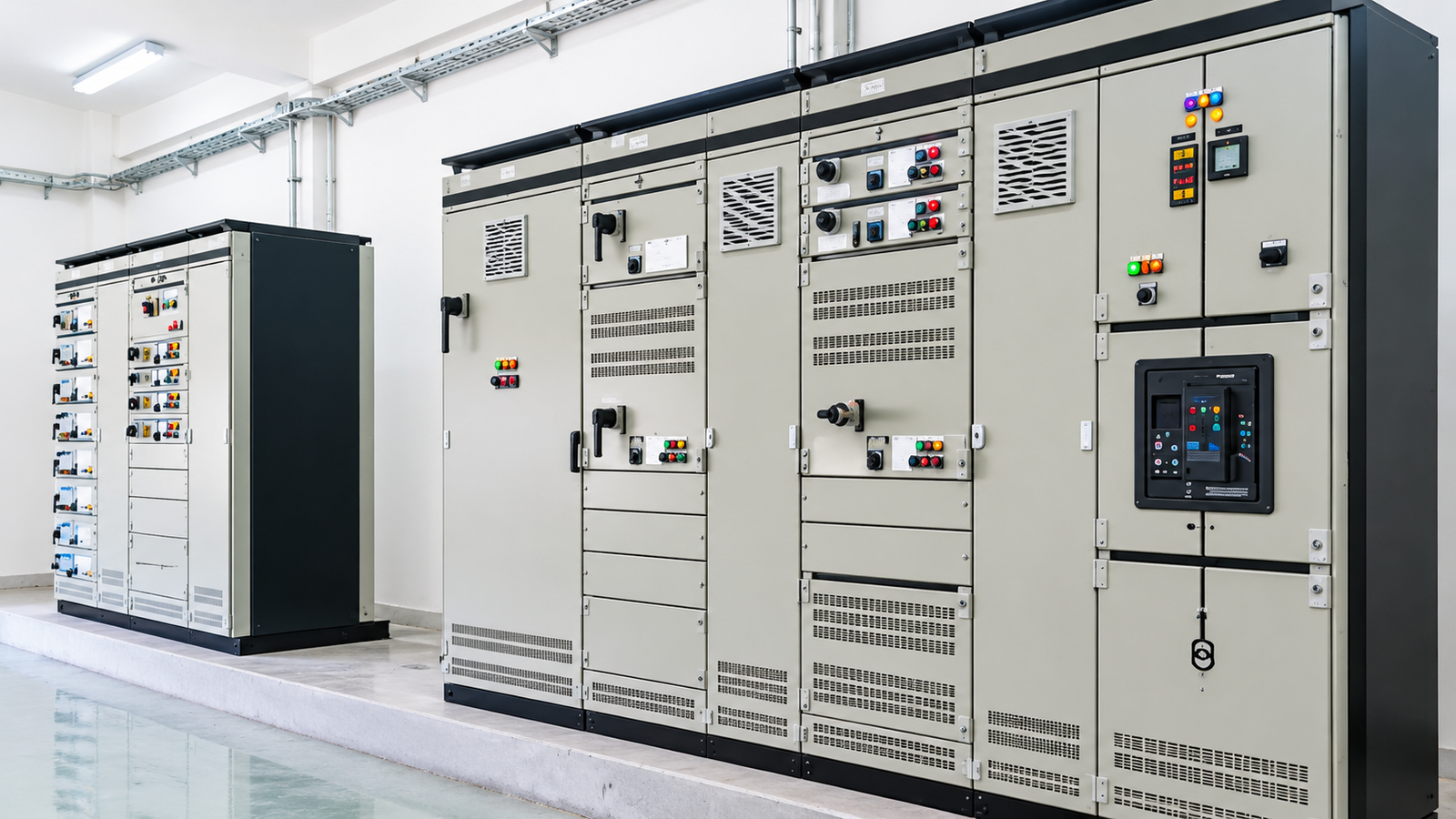
A low-voltage switchboard is an electrical assembly that receives and distributes electricity at low voltage, generally up to 1,000 volts AC. It acts as a central control and protection point between the incoming electrical supply and the building’s outgoing circuits.
The switchboard contains several electrical components arranged within a secure enclosure. These components work together to control power flow, isolate electrical sections and protect connected equipment from faults.
In commercial and industrial environments, switchboards may supply power to lighting systems, air conditioning units, production machinery, lifts, office equipment and other electrical loads.
The size and configuration depend on the building’s electrical demand, available supply capacity, fault levels and future expansion requirements.
Main Components Found Inside a Switchboard
Each switchboard contains components selected according to its intended application. Some installations require basic distribution equipment, while larger facilities need advanced protection, monitoring and control devices.
Common components include:
- Main circuit breaker: Controls the incoming electrical supply and provides protection against overloads and short circuits.
- Busbars: Conduct electricity between the incoming supply and outgoing distribution circuits.
- Protective devices: Detect electrical faults and disconnect affected circuits to limit damage.
- Metering equipment: Measures electrical consumption, voltage, current and other operating parameters.
- Isolators: Allow authorised personnel to disconnect electrical sections during maintenance.
- Surge protection devices: Help protect sensitive equipment against transient overvoltages.
- Enclosure: Houses the electrical components and provides protection against accidental contact and environmental conditions.
Correct component selection is essential. Equipment must have suitable current ratings, voltage ratings and short-circuit withstand capacity for the installation.
How Power Distribution Takes Place
Electricity usually enters a building through a utility connection or transformer. The incoming supply reaches the main switchboard, where the main protective device controls and safeguards the electrical connection.
From there, power passes through busbars and distribution devices before reaching individual circuits or downstream distribution boards.
For example, a manufacturing facility may use separate outgoing feeders for production machinery, lighting, ventilation and office areas. This arrangement allows different sections to operate independently and makes it easier to isolate equipment during maintenance.
A properly designed distribution system also helps electrical engineers manage load requirements. They can assess which circuits require dedicated protection, identify potential capacity limitations and plan additional connections.
Load balancing is another important consideration in three-phase installations. Distributing electrical loads appropriately across phases can reduce excessive current on individual phases and improve system performance.
Choosing the Right Electrical Switchboard for a Building
Switchboard selection requires an understanding of the building’s electrical requirements and operating conditions. A unit that works well in a small commercial property may not be suitable for a large industrial facility.
Several factors deserve attention during the selection process.
1. Electrical Load Requirements
The first step is calculating the total connected load and estimating the maximum demand. This assessment helps determine the required current rating and the capacity of the incoming and outgoing circuits.
Engineers should also consider equipment starting currents, anticipated load increases and the possibility of future building extensions.
2. Fault Protection and Safety
Electrical faults can cause equipment damage, fire hazards and operational interruptions. Circuit breakers and other protective devices must have appropriate ratings to interrupt fault currents safely.
Protection coordination is equally important. It helps ensure that the protective device closest to a fault operates first, reducing unnecessary interruptions to other parts of the installation.
3. Installation Environment
Switchboards installed in factories, outdoor locations and plant rooms face different environmental conditions.
Dust, moisture, temperature changes and corrosive substances can affect electrical equipment. The enclosure’s ingress protection rating and construction materials should match the installation environment.
4. Space and Accessibility
A switchboard needs sufficient space for installation, inspection and maintenance. Engineers should also consider cable entry arrangements, ventilation, access clearances and safe working conditions.
Allowing room for additional outgoing circuits can reduce the need for major modifications if electrical demand increases later.
Different Applications of Main Switchboards
Electrical distribution requirements vary across industries. The switchboard design must reflect the type of equipment being supplied and the consequences of a power interruption.
Commercial buildings: Offices, shopping centres and hotels use switchboards to distribute electricity to lighting, lifts, heating, ventilation, air conditioning and general power circuits.
Industrial facilities: Factories and processing plants require distribution systems capable of supplying motors, production equipment, compressors and other machinery. Higher fault levels and demanding operating conditions may influence equipment selection.
Healthcare facilities: Hospitals and medical centres require carefully planned electrical distribution to support essential services, critical equipment and backup power arrangements.
Educational institutions: Schools, colleges and universities need reliable distribution for classrooms, laboratories, computer rooms, lighting and building services.
Residential developments: Apartment complexes and large residential properties may use central distribution equipment to supply common services and individual distribution boards.
Each application requires an assessment of electrical demand, safety obligations and operational priorities.
Understanding Different Switchboard Configurations
Electrical distribution equipment is available in several arrangements. The correct configuration depends on the incoming supply, number of outgoing circuits and required level of control.
An electric main switch board generally refers to the primary assembly that receives incoming electricity and supplies downstream distribution equipment. Its position within the installation makes it central to the building’s electrical layout.
A main electric switch board may be configured with multiple circuit breakers, metering devices and protective components to manage different electrical loads. Its design should allow authorised personnel to identify and isolate individual circuits without affecting unrelated equipment.
A master switch board can refer to a central control and distribution assembly within a larger electrical installation. The exact meaning varies between industries and manufacturers, so technical specifications should always clarify its intended function.
A power switch board may incorporate additional monitoring and control equipment for installations with complex electrical requirements. These systems can help facility managers monitor consumption, identify abnormal operating conditions and plan maintenance.
Although these terms are sometimes used interchangeably, they do not always describe identical equipment. Electrical drawings and equipment specifications should define the required configuration clearly.
Maintenance Practices That Help Prevent Electrical Problems
Regular inspection helps identify developing faults before they cause equipment failure or unexpected shutdowns. The maintenance schedule should reflect the switchboard’s operating conditions, manufacturer recommendations and applicable electrical regulations.
Useful maintenance activities include:
- Inspecting enclosures for corrosion, moisture and physical damage.
- Checking cable connections and terminations for signs of overheating.
- Examining circuit breakers and protective devices for damage or abnormal operation.
- Reviewing electrical load measurements for unusual changes.
- Checking ventilation openings and removing accumulated dust using approved procedures.
- Testing protection systems according to the manufacturer’s instructions and applicable standards.
- Maintaining accurate circuit schedules, drawings and inspection records.
Thermal imaging can help identify abnormal temperature patterns in electrical connections and components. It is particularly useful in facilities where switchboards operate under substantial electrical loads.
All inspection and maintenance work must be performed by appropriately qualified personnel using suitable isolation procedures and safety equipment. Live electrical work should not be undertaken as a routine maintenance activity.
Planning for Future Electrical Requirements
Electrical demand can change as businesses install new machinery, expand production areas or introduce additional building services. A switchboard designed only for current requirements may become restrictive as the property develops.
Planning for future capacity involves reviewing spare outgoing ways, busbar ratings, enclosure space and the electrical supply’s available capacity. Engineers should also assess whether existing cables and protective devices can support proposed changes.
Modern monitoring equipment can provide useful information about electricity consumption and peak demand. This data helps facility managers identify heavily loaded circuits and make informed decisions about upgrades.
Any modification should be assessed by a qualified electrical professional to confirm compatibility with the existing installation and relevant safety standards.
Building a Safer and More Reliable Electrical Distribution System
A well-designed electrical distribution system depends on appropriate equipment selection, accurate load calculations, suitable protection and regular maintenance. The switchboard must meet the building’s present requirements while allowing practical provisions for future changes.
Property owners and facility managers should work with experienced electrical engineers and qualified switchboard manufacturers during the design and installation stages. Reviewing technical specifications, compliance requirements and maintenance arrangements before purchasing equipment can prevent costly problems later.
Careful planning helps create an electrical installation that supports daily operations, protects connected equipment and provides dependable power distribution across the facility.