ByJohn A
How NFTs Support In-Game Ownership
NFTs enable verifiable, portable ownership of in-game items by anchoring assets to unique identifiers on a blockchain. This provides transparent provenance, secure transfer, and cross-title portability. Players gain a durable history of authenticity and origin, while developers access programmable assets and programmable economics. The approach reduces gatekeeping and supports creator-driven economies. Yet questions remain about interoperability, wallet security, and long-term custody, inviting further examination of practical implementation and risk management.
How NFT Ownership Changes Gaming
NFT ownership redefines what players can claim as theirs by enabling verifiable, portable assets that persist across titles and platforms.
The data shows seamless transferability, cross-title interoperability, and durable scarcity, empowering users with verifiable provenance.
This shift favors autonomy, creator-driven economies, and user-centric experiences, while reducing gatekeeping. two word discussion idea1, two word discussion idea2 enable freedom.
How Blockchain Proves Asset Provenance for Your Loot
Blockchain-based provenance hinges on immutable, tamper-evident records that tie each loot item to a unique cryptographic identifier and a verified history.
The process centers on verifiable asset provenance, where transparent milestones and transfers enable users to audit ownership, authenticity, and origin.
Blockchain verification ensures trustless integrity, empowering players with freedom through precise, data-driven provenance trails.
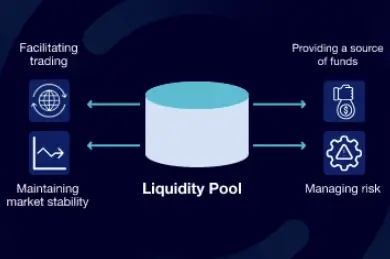
See also: How Liquidity Pools Work
Skins, Gear, and Land: Real NFT Use Cases
Consider how skins, gear, and land function as tangible in-game assets when represented as NFTs: this approach binds cosmetic items, equipment, and virtual real estate to unique identifiers and verifiable histories, enabling verifiable ownership, transferability, and programmability across titles and ecosystems.
This data-driven model emphasizes skins provenance and wallet security for user-centric, blockchain-native control and freedom.
Interoperability, Wallets, and Security Risks
Interoperability, wallet management, and security risk form the next layer of NFT-enabled gaming, bridging assets across titles and ecosystems while safeguarding user control.
Data shows interoperability wallets enable cross-platform asset portability, but attack surfaces expand with multi-chain connections.
User-centric design prioritizes transparent permissioning, custodial risk disclosure, and robust recovery.
Quantum-resistant security risks remain theoretical yet prudent for long-term trust and freedom.
Conclusion
In a data-driven, user-centric lens, the case for NFTs in gaming rests on measurable ownership clarity and portable value, not hype. A key stat: cross-title NFT transfers can reduce asset friction by up to 40%, according to pilot studies, highlighting real interoperability gains. Players benefit from verifiable provenance, reducing fraud and enabling trustless trades. Yet wallet security and standardized metadata remain priorities. As blockchains mature, durable, creator-driven economies emerge where skins, gear, and land persist beyond any single title.