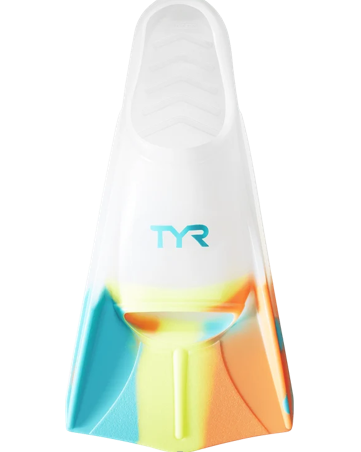

Swim fins can add a useful training dimension to pool sessions, particularly when the goal is to work on kicking rhythm, body position, and lower-body movement. The TYR Stryker model is designed around a short-blade format that encourages quick, controlled movement through the legs and feet. Its 100% silicone construction and comfort-focused fit distinguish it from basic training equipment made with less flexible materials. These features make it worth considering for swimmers who want a dedicated fin for structured kick work. Understanding its design, sizing, and intended use can help determine whether it suits a particular training routine.
The TYR Stryker silicone swim fins are described by TYR as short-blade training fins designed to promote a natural flutter kick. Their purpose is not simply to make a swimmer move faster through the water. Instead, they provide additional surface area around the feet, changing the resistance experienced during each kick and giving swimmers a tool for focused technique practice.
What Makes the TYR Stryker Fins Different?
The Stryker is a specific training fin, so its features should be considered in relation to its intended use rather than compared with every type of swim fin on the market. TYR identifies its construction as 100% silicone and describes the fit as designed for comfort without restricting movement. The short blade is another defining feature, encouraging a quicker kicking action rather than relying on a long fin surface. This combination makes the model relevant to swimmers who include kick-focused drills in regular pool training. Its color-coded size options also make the different size groups easier to identify.
Three product characteristics are particularly relevant when assessing the Stryker:
- 100% silicone construction: The material is designed to provide a flexible, comfortable feel around the foot.
- Short-blade profile: The blade supports short, quick movements through the legs and feet.
- Color-coded sizing: Sizes range from S through XXL, with different color combinations used across the available options.
These details help explain the product’s training role. The short blade is intended to support a natural flutter-kick rhythm, while the silicone construction addresses how the fin feels during repeated movement. The size range gives swimmers several options, although selecting the correct fit requires checking the manufacturer’s shoe-size guidance. A fin that is too loose can move around during kicking, while one that is too tight may create pressure or discomfort.
See also: How Job Management Software Helps Tradespeople Manage More Work Efficiently
How the Short-Blade Design Supports Kick Training
Blade length affects how a fin interacts with the water. A longer blade generally creates a larger surface area, which can increase resistance and change the effort required to move the legs. A shorter blade offers a different training feel, allowing swimmers to maintain a quicker kicking rhythm without relying on an extended fin surface. TYR describes the Stryker as a short-blade training fin intended to promote short, quick movement and the natural flow of a flutter kick. This makes its design relevant to drills where consistent leg action matters more than simply covering distance with assistance from the equipment.
The fin can be included in training activities such as:
- Flutter-kick sets: Use controlled repetitions to focus on steady movement from the hips and a consistent rhythm.
- Kickboard drills: Keep the upper body supported while concentrating on leg coordination and ankle movement.
- Streamline kicking: Practice maintaining a stable body position while kicking in an extended posture.
- Technique-focused intervals: Alternate fin-assisted and fin-free lengths to notice differences in kicking rhythm.
- Warm-up sets: Introduce a short period of fin work before moving into the main swimming session, provided the intensity remains comfortable.
Fins change the resistance and propulsion available to the swimmer, so technique should remain the priority. They should not encourage excessive knee bending, uncontrolled kicking, or an uncomfortable range of ankle movement. A controlled flutter kick generally involves movement initiated around the hips, with the knees and ankles responding naturally. Swimmers can use the Stryker during selected drills and remove the fins for regular swimming to check whether they can maintain a similar rhythm without assistance.
Silicone Construction and Comfort During Repeated Use
Material choice influences how training equipment feels during a session. TYR specifies 100% silicone construction for the Stryker, along with a comfort-focused fit intended to avoid making swimmers feel restricted as they move. Silicone is flexible, which can help a fin adapt to the shape of the foot while maintaining its form during use. Comfort still depends on choosing the correct size, since even a flexible material can cause rubbing or pressure if the foot pocket does not fit properly. Swimmers should assess the fit before using the fins for extended sets.
A suitable fit should feel secure without creating painful pressure around the toes, heel, or sides of the foot. The foot should sit naturally inside the pocket, and the fin should remain in place during gentle kicking movements. A loose fit can allow excess movement and make the equipment feel unstable. A tight fit may cause discomfort that becomes more noticeable as the session continues. Stop using the fins if they cause persistent rubbing, numbness, or pain.
TYR Stryker Sizing: How to Select the Right Fit
TYR provides five size groups for the Stryker, from Small to XXL. The listed men’s and women’s shoe-size equivalents help narrow the selection, but swimmers should check the product page before ordering because footwear sizing can vary between brands. TYR also includes a note advising female customers to size down by one to two sizes for the female equivalent. Since the product uses color-coded size identification, checking both the size label and the listed shoe-size range is useful when comparing options.
| TYR size | Men’s shoe size | Women’s shoe size |
| S | 5–6 | 6.5–7.5 |
| M | 6–7 | 7.5–8.5 |
| L | 8–9 | 9.5–10.5 |
| XL | 10–11 | 11.5–12.5 |
| XXL | 12–13 | 13.5–14.5 |
Use the following checks before choosing a size:
- Compare your usual shoe size with TYR’s published size range.
- Review the manufacturer’s note about women’s size equivalents.
- Check the available color options for the selected size.
- Make sure the foot sits securely without being squeezed.
- Test gentle kicking movements before using the fins in a demanding set.
If your shoe size falls close to a boundary between two options, do not assume that choosing the smaller size will provide better control. A fin should remain secure without causing discomfort. Review the latest product-page guidance or ask TYR for clarification if the size chart does not resolve your selection. The product listing is the best place to confirm current availability and size options.
Using Stryker Fins in a Structured Swimming Session
Fins are most useful when they serve a clear purpose within a training plan. The Stryker can be used for dedicated kicking drills, short technique intervals, or selected portions of a warm-up. Coaches may also use fin-assisted sets to help swimmers focus on body position and kicking consistency. However, swimmers should avoid relying on fins for every length, as regular swimming without equipment remains necessary for assessing unassisted technique. The amount of fin work should reflect the swimmer’s experience, conditioning, and comfort.
A balanced session can include several types of work:
- Begin with an easy warm-up: Swim without fins first to prepare for the session.
- Introduce controlled kick work: Add a short fin-assisted set at a manageable pace.
- Focus on movement quality: Maintain a steady flutter kick rather than trying to generate maximum speed.
- Remove the fins periodically: Swim without assistance to assess natural kicking rhythm.
- Finish with relaxed swimming: Reduce intensity and allow the legs to recover.
Beginners should start with short intervals and allow time to become familiar with the added resistance. Competitive swimmers can use the fins selectively during technique and conditioning sets, following their coach’s instructions. Fitness swimmers may include them in moderate kick work, provided their ankles and legs remain comfortable. Anyone experiencing cramping, unusual fatigue, or joint discomfort should stop the drill and reassess the intensity and technique.
Pairing Training Fins With Other TYR Swim Equipment
Fins are only one part of a swimming setup. Goggles, swimwear, and other accessories serve different purposes, and choosing them according to the demands of a session can make equipment selection more straightforward. For clear underwater vision, swimmers can explore the TYR RaceTech goggles as a separate piece of swim equipment. Goggles should fit securely around the eyes without requiring excessive strap tension. Their role is different from that of training fins, but both can be part of a regular pool kit.
Swimmers who also compare technical racing swimwear may want to review the TYR Venzo Volconyx collection. Technical suits are designed for a different purpose from training fins and are generally considered in the context of competitive swimming. The Stryker, by contrast, is intended for training drills that involve kicking and lower-body movement. Keeping these product categories separate helps swimmers choose equipment based on the activity rather than treating every swimming product as interchangeable.
Care and Storage for Silicone Swim Fins
Regular care helps keep swim equipment clean and ready for future sessions. After using the Stryker, rinse the fins with fresh water to remove pool chemicals and other residue. Allow them to dry fully before putting them away, keeping them away from prolonged direct heat or sunlight. Avoid placing heavy equipment on top of the fins, as unnecessary pressure can affect their shape. Check the foot pockets and blades periodically for visible damage or changes in condition.
A simple care routine includes:
- Rinse both fins with fresh water after each pool session.
- Remove excess water and let them air-dry completely.
- Store them in a cool, dry place away from direct heat.
- Avoid sharp objects that could damage the silicone.
- Check for tears, surface damage, or changes in fit before use.
Do not use harsh cleaning chemicals unless the manufacturer specifically recommends them. If the fins develop damage that affects their structure or fit, discontinue use rather than attempting to continue training with compromised equipment. Following the care instructions supplied with the product is the safest way to manage cleaning and storage.
Is the TYR Stryker a Suitable Choice for Your Training?
The TYR Stryker is worth considering for swimmers who want a short-blade fin for focused flutter-kick practice. Its confirmed product features include 100% silicone construction, a comfort-oriented fit, and a design intended to encourage short, quick leg and foot movements. These characteristics align with technique-focused sessions and structured kicking drills. The five-size range gives swimmers several options, but checking the size chart is essential before purchasing. As with any training aid, the best results depend on using the equipment appropriately and maintaining good technique.
Swimmers who need more information about product sizing, availability, or use can visit the product listing or contact TYR for assistance. A suitable fin should feel secure, allow comfortable movement, and support the specific drills included in a training plan.
Conclusion
The TYR Stryker silicone swim fins are designed for swimmers who want a short-blade training aid for flutter-kick practice and controlled lower-body movement. Their 100% silicone construction, comfort-focused fit, and color-coded size range are the main product features to consider. Selecting the correct size and using the fins for purposeful drills can help keep training comfortable and technique-focused. They should complement regular swimming rather than replace unassisted practice. Reviewing the product’s current sizing information before ordering is a sensible final step.
Frequently Asked Questions
1. What are TYR Stryker silicone swim fins designed for?
TYR Stryker fins are short-blade training fins designed to promote short, quick movement through the legs and feet. TYR describes them as helping swimmers create the natural flow of a flutter kick. They can be used during kick drills and selected technique-focused swimming sets.
2. Are TYR Stryker fins made from silicone?
Yes. TYR lists the Stryker fins as having 100% silicone construction. The product description also highlights a comfort-focused fit intended to let swimmers move without feeling restricted. Correct sizing remains essential for comfortable use.
3. How do I choose the right TYR Stryker fin size?
The Stryker is available in five size groups: S, M, L, XL, and XXL. TYR provides men’s and women’s shoe-size equivalents for each group and includes additional guidance for female sizing. Check the current product chart and choose a size that feels secure without causing pressure or rubbing.
4. Can beginners use TYR Stryker swim fins?
Beginners can consider using training fins if they are comfortable in the water and understand basic kicking technique. Start with short, controlled intervals rather than extended or high-intensity sets. Anyone experiencing discomfort should stop and reassess the fit and exercise intensity.
5. How should I care for TYR Stryker silicone fins?
Rinse the fins with fresh water after swimming and allow them to air-dry fully before storage. Keep them away from prolonged direct heat and avoid placing heavy objects on top of them. Check the silicone regularly for damage and follow any care instructions provided by TYR.