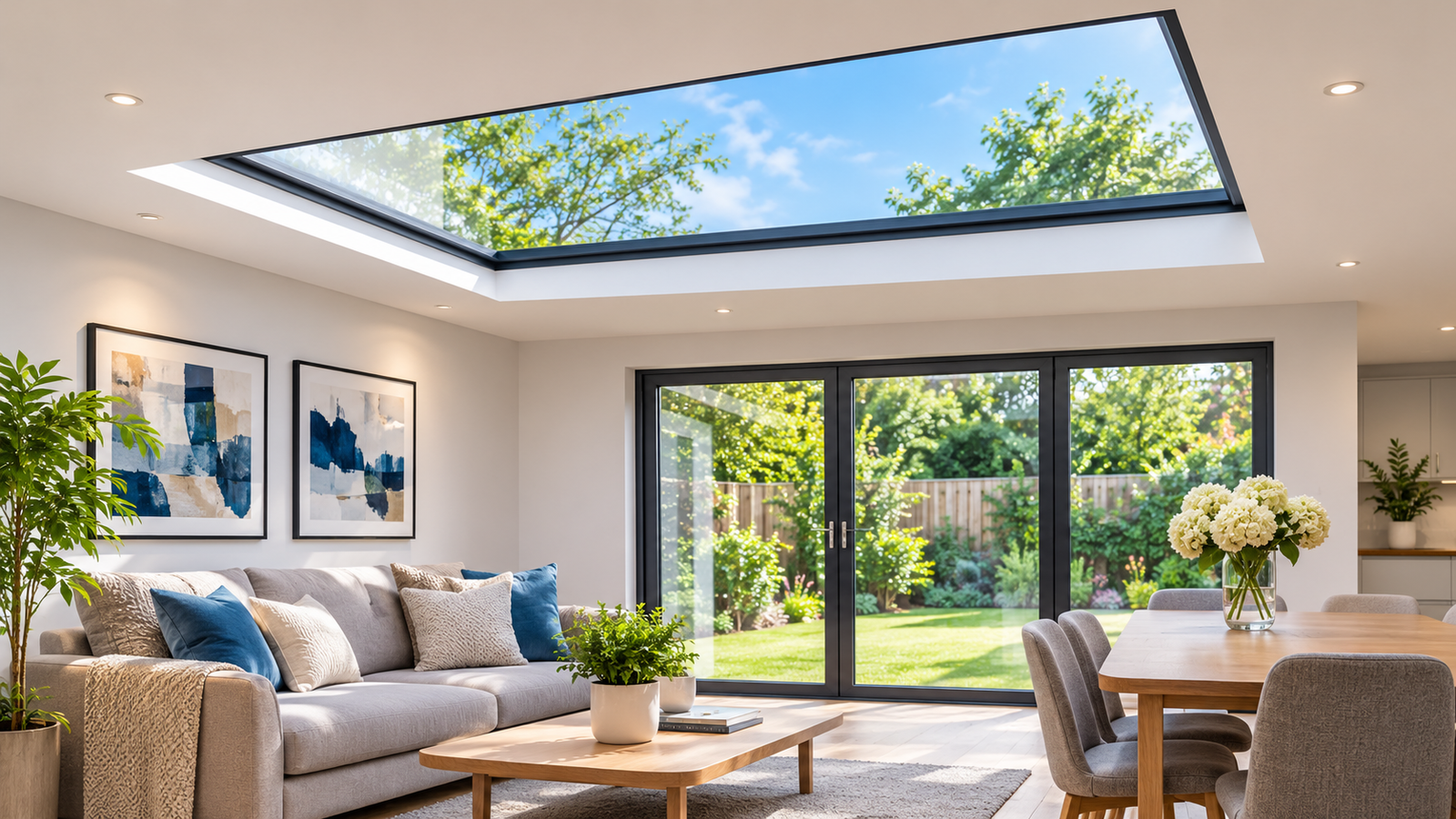

Natural light can make a noticeable difference to the appearance, comfort and usability of an indoor space. Rooms with limited windows often feel enclosed, particularly in buildings with flat roofs where traditional roof windows may not be suitable. Installing fixed flat rooflights offers a practical way to introduce daylight from above without requiring an opening mechanism. They can brighten kitchens, extensions, offices, hallways and commercial interiors while maintaining a clean, understated roofline.
Why Natural Light Matters in Buildings
Daylight affects how people experience an indoor environment. A well-lit room can feel more spacious, welcoming and comfortable throughout the day. It also reduces the need to rely on artificial lighting during daylight hours, which may help lower electricity consumption.
In residential properties, additional daylight can improve areas such as kitchens, dining rooms and open-plan living spaces. In commercial buildings, it can make offices, reception areas and shared spaces more pleasant for employees and visitors.
Roof glazing offers a useful alternative where external walls have limited window space. Since daylight enters from above, it can reach areas that conventional windows may not illuminate effectively.
How Fixed Roof Glazing Works
A fixed rooflight is a glazed unit installed into a suitable roof opening. Unlike an opening roof window, it remains permanently closed and does not provide ventilation. Its main purpose is to admit daylight while maintaining a weather-resistant barrier between the interior and the external environment.
The unit generally consists of a glazed panel, supporting frame, seals and compatible flashing or upstand components. These elements work together to provide structural support and protect the roof opening against rain and moisture.
The installation must account for the roof’s construction, drainage arrangements and insulation requirements. Correct positioning also matters because the amount of daylight entering a room depends on the rooflight’s dimensions, orientation and surrounding obstructions.
Choosing the Right Glazing for Your Property
Glazing specifications influence thermal performance, safety, appearance and maintenance requirements. Double-glazed units are commonly used because the space between the glass panes helps reduce heat transfer. Triple glazing may be appropriate where improved insulation is required, although the additional weight and cost need consideration.
Low-emissivity coatings can reduce heat loss, while solar-control glass may help limit excessive solar gain in rooms exposed to strong sunlight. Laminated or toughened safety glass should be selected according to the installation location, building regulations and manufacturer’s recommendations.
Some designs also incorporate features that reduce internal condensation and improve resistance to changing outdoor temperatures. Checking the glazing specification before purchasing helps ensure the product suits the building’s climate and intended use.
Where Fixed Rooflights Work Best
Fixed glazing can serve several purposes across different property types.
Kitchen extensions: Roof glazing can bring daylight into the centre of an extension, particularly where adjoining walls offer limited opportunities for conventional windows.
Living rooms: A rooflight positioned above a seating or dining area can create a brighter atmosphere and make the room feel more open.
Bathrooms: Additional overhead daylight can improve visibility and reduce dependence on artificial lighting. Privacy remains easier to maintain than with some conventional window arrangements.
Office spaces: Natural daylight can improve the appearance of work areas and shared spaces, provided glare and solar heat gain are properly controlled.
Hallways and stairwells: These areas often receive little daylight from external walls. Roof glazing can help brighten otherwise dark circulation spaces.
The size and position of the unit should reflect the room’s dimensions, ceiling arrangement and intended lighting levels.
Design Choices for Different Roof Structures
Flat roofs vary in construction, insulation arrangement and drainage design. A suitable rooflight must be compatible with these details rather than selected on appearance alone.
Some flat fixed rooflights feature slim frames and large glazed areas, creating a minimal appearance from inside the building. Other models use raised profiles or different frame finishes to complement the property’s exterior design.
Roof pitch also deserves attention. Although described as flat, most flat roofs have a slight fall to direct rainwater towards drainage outlets. The rooflight and its supporting upstand must be suitable for this arrangement to prevent water collecting around the glazing.
An experienced installer can assess the roof structure and recommend an appropriate product configuration.
Energy Efficiency and Indoor Comfort
Roof glazing can influence both heating and cooling requirements. During colder months, poorly specified glass may allow significant heat loss. During warmer periods, direct sunlight can increase indoor temperatures, particularly in south-facing or unshaded rooms.
A well-specified fixed flat roof skylight should provide a suitable balance between daylight transmission and thermal performance. Look at the product’s U-value, which measures heat transfer through the unit. Lower U-values generally indicate better insulation.
Solar heat gain is another specification worth checking. The solar heat gain coefficient (SHGC) or g-value indicates how much solar energy passes through the glazing. The appropriate figure depends on the building’s orientation, climate and cooling requirements.
External shading, suitable glass coatings and thoughtful positioning can help manage overheating without sacrificing the benefits of natural daylight.
Installation Details That Protect the Roof
A rooflight installation involves more than fitting a glazed panel into an opening. The surrounding roof construction must remain weatherproof, insulated and structurally sound.
Before installation, the roof structure should be checked to confirm that it can support the unit and any additional loading. The opening must be formed accurately, with appropriate structural reinforcement where required.
The upstand, flashing and waterproofing membrane need to be compatible with the existing roofing system. Poor detailing around these components can lead to leaks, damp patches and damage to internal finishes.
Thermal bridging should also be considered. Insulating the junction between the rooflight frame and the surrounding roof can help reduce heat loss and condensation risks.
For a fixed glass roof light, professional installation is advisable, particularly on complex roofs or buildings with specialist waterproofing systems. The installer should follow the manufacturer’s instructions and relevant building regulations.
Maintenance for Long-Term Performance
Fixed rooflights generally require less mechanical maintenance than opening models because they do not contain hinges, motors or ventilation controls. However, regular inspections remain necessary.
Glass surfaces should be cleaned using suitable products that will not damage coatings or seals. Leaves, dirt and other debris should be removed from nearby drainage channels to prevent water from collecting around the unit.
Inspect the frame, seals and surrounding roof covering periodically for visible deterioration. Signs such as persistent condensation between glass panes, water staining or damaged seals may indicate that professional attention is needed.
The frequency of maintenance depends on the roof’s exposure, surrounding trees, local weather and the manufacturer’s recommendations.
Making a Practical Investment in Daylight
Selecting roof glazing requires attention to more than its visual appearance. Glazing performance, structural compatibility, weatherproofing, drainage and installation quality all affect how well the finished unit performs.
A carefully selected rooflight can improve the usability of a dark room, create a more attractive interior and reduce daytime reliance on artificial lighting. Comparing product specifications and seeking advice from an experienced installer can help property owners choose an option that suits their building and budget.
With suitable design and proper installation, fixed roof glazing can provide dependable daylight for many years.